

Hermit Songs
Distractions and distance and Samuel Barber

In the streaming age, I am glad for the scaffolding of longer musical forms. Operas, oratories, symphonies. It is a comfort to know the andante comes before the scherzo, that major themes will be inverted and chopped up and come back to you tied in a bow. Not always, but most of the time.
I have to make decisions more than I would like. Breakfast, outfit, reading material: every day, I must choose. Many decisions within five minutes, sometimes. Perhaps reflexively, art that is a sizable time commitment appeals. Working through a long book or movie is a test of endurance that almost always satisfies. I chose what I want to be immersed in; all that is left is the follow-through.
Released from loud thoughts about optimizing my time, I can be present with the art at hand. I can let go of the petty indignities of the day and go where I’m led by the artist, whether it be into a novel, movie, album, etc. Inertia and trust carry me from movement to movement, scene to scene.
Lately, though, my attention span has been shot. A bad thing happened and I have been coping through distraction. Work is a good distraction. So is terrible TV. But generally, anything that requires dual emotional and mental focus for a long stretch of time is out. Which means a lot of great art.
I used to cook dinner and walk around town in silence. When I quilted, I lost myself in what my hands were doing: cut sew press, cut sew press. Sometimes I’d drive in silence, too, just to see where my mind went. But right now the prospect of losing myself in anything is scary: I’m already feeling quite lost. If I let myself get swept away, I’m not sure where I’ll be swept.
So it’s been back to listening to podcasts while I cook and playing games on my phone. It’s not all chaff: I’ve been calling friends at all hours and listening to music in bursts. I’ve been listening to a lot of Samuel Barber.
I’ve loved him since college. Learning about his art songs my first year of college felt like getting in on a big secret. In between learning about and performing big, complicated works that felt divorced from day-to-day life as I knew it, something as simple as piano and voice stating one idea or tone felt like a respite from the immense highs and lows of a Bach motet or Puccini opera.
Sometimes I wanted a break from being bowled over. Sometimes I didn’t want to be dragged from optimism to despair to acceptance. Sometimes I wanted to linger in the Pie Jesu and leave the Dies Irae for another day. Enter Samuel Barber. Enter Schubert and Schumann. Art songs, lieder, the bright clusters of song cycles.
They are often the stuff of fairy tales: elf kings, long-lost loves, a beautiful boat with death inside. Fantastical and bursting with emotion. They’ve felt comforting, lately. I think of “The Glass Essay:”
I
turn and face into the wind
and begin to run.
Goblins, devils and death stream behind me.
Barber published his song cycle Hermit Songs in 1953. With the poems of Irish monks and scholars from the 8th to 13th centuries as text (translated into English by W.H. Auden and Chester Kallman, among others), the ten songs are scored piano and soprano. The songs shriek and exclaim; they rhapsodize and bitch about the world.
Pity me, starts the first song “At Saint Patrick’s Purgatory.” The narrator is going on a pilgrimage, but the hardships suffered by Jesus pale in the face of their own solipsistic melancholy. With a heart “not softer than a stone” they traipse towards an unenticing destination.
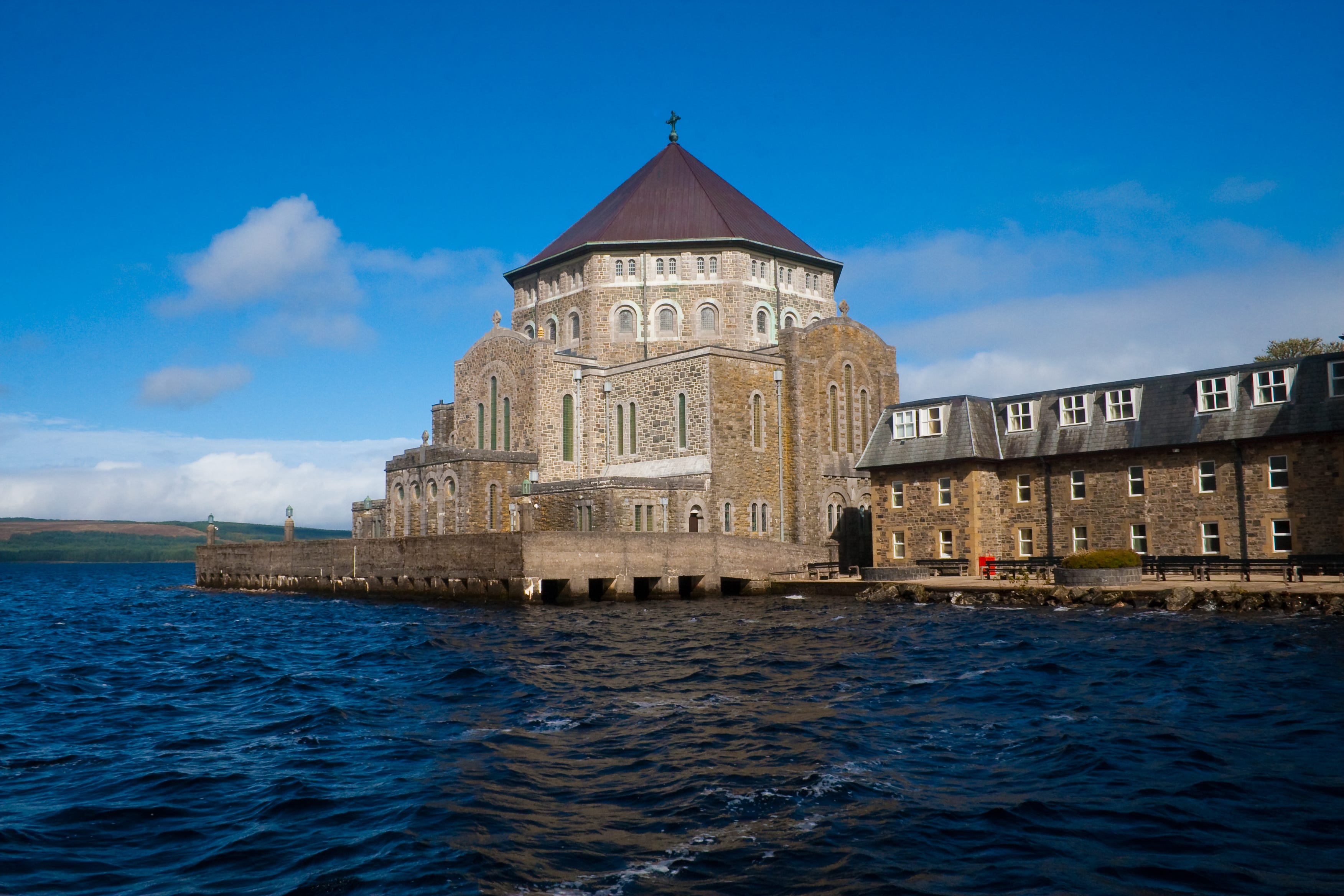
The early songs in the cycle ache with loneliness and spite. I love them. They are not all from the same perspective, but they are all sung by the same person, connected through performance. The singer bemoans foolish women; wants to host the kingdom of Heaven for dinner; is shipwrecked and drowned.
Some light gets in. Religious devotion is rewarded and chaotic self-loathing settles. My favorite, “The Monk and His Cat,” details the routine of a scholar and that of his cat, both held up with the same level of importance. Your shining eye watches the wall; my feeble eye is fixed on a book. The music is dreamy and lethargic. An unexceptional daily ritual, sung lovingly. How happy we are, alone together.
When I listen to these, I can be swept away. The text and music are strange but clear-eyed, with songs oscillating from maximalist wallows in grumpiness to tranquil odes to mundanity.
The final song, The Desire for Hermitage, is about just that: the wish to be alone. To be left with simple rations and a little place to sleep. Alone I came into the world, along I shall go from it.
I could hold my lonely life around me like a moor, as Anne Carson writes. Solitude and distance as armor.
The desire for hermitage: I have it. To recuse myself from responsibility and culpability. To opt out of hurting and being hurt, of taxes and LinkedIn and getting my oil changed. It’s a dream that cannot carry any weight; a bubble that pops and pops. But it’s a dream that is nice to return to when the world is heavy.
Pity me! say the poems from 1,000 years ago. Then: leave me alone! Exactly.